01
Membrane Engineering
Designing porous polymeric membranes and nanofiber platforms with controlled morphology, pore architecture, and transport behavior.
NIPSElectrospinningNanofibers
Developing sustainable, fluorine-free membrane materials for high-performance oil–water separation, emulsion treatment, and next-generation liquid purification.
My work connects membrane formation, surface chemistry, and transport phenomena to solve complex liquid-separation problems with lower energy and environmental impact.
Designing porous polymeric membranes and nanofiber platforms with controlled morphology, pore architecture, and transport behavior.
Advancing selective separation of surfactant-stabilized water-in-oil emulsions, including challenging viscous oils and low-pressure operation.
Using bio-derived polymers and fluorine-free modification strategies to tune hydrophobicity, wetting resistance, and fouling behavior.
Exploring membrane-based removal of water from biodiesel as a lower-energy alternative to conventional thermal drying.
Understanding emulsion–surface interactions and developing durable interfaces that maintain flux and selectivity over repeated cycles.
Applying molecular and mesoscale simulation to study interfacial interactions, contact-angle behavior, and membrane-formation mechanisms.
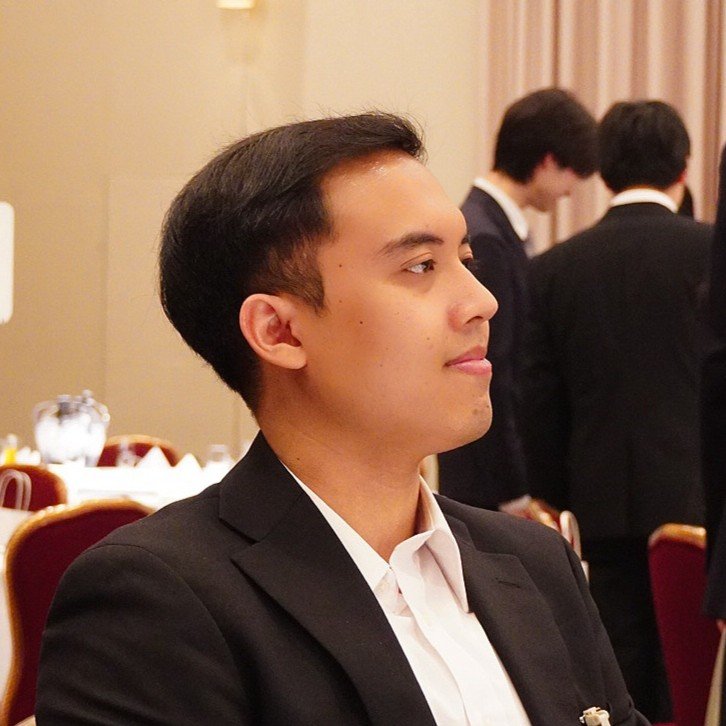
I am a membrane researcher and Specially Appointed Assistant Professor at Kobe University, Japan. My research focuses on polymeric membranes for oil–water separation, with particular emphasis on fluorine-free hydrophobic materials, chitin-derived additives, and low-energy separation processes.
My current work combines membrane fabrication, interfacial characterization, separation-performance evaluation, and molecular simulation. I am interested in translating fundamental wetting and transport insights into practical membrane systems for industrial liquid purification.
Four connected programs move from fundamental materials design toward robust, application-oriented separation systems.
Controlling membrane structure, wetting resistance, and fouling behavior through bio-derived hydrophobic modification.
Integrating hydrophobic biopolymers into electrospun membranes for efficient dehydration of high-viscosity oils.
Decoupling water repellency from oil transport through micro/nanoscale surface deposition and silane assembly.
Developing selective, reusable membrane processes to reduce the thermal energy required for biofuel purification.
A selection of peer-reviewed work spanning membrane materials, surface modification, fouling control, and oil–water separation.
Separation and Purification Technology · 410 · 139379
Journal of Membrane Science · 739 · 124891
Journal of Membrane Science · 713 · 123309
Journal of Water Process Engineering · 85 · 109807
Academic development across Indonesia and Japan, grounded in chemical engineering and membrane science.
Kobe University · Japan
Kobe University · Japan
Kobe University · Japan
Syiah Kuala University · Indonesia
Syiah Kuala University · Indonesia
Selected academic recognition and professional memberships supporting continued engagement with the membrane community.
I welcome research collaboration, academic exchange, student mentoring, and discussions on membrane materials and oil–water separation.